
Get a Free Quote
If you are interested in our products and want to know more details,please leave a message here,we will reply you as soon as we can.

Complete solutions for harsh environmental conditions

As the maritime industry continues to embrace digitalization, smart shipping, and sustainable operations, onboard automation systems are becoming more critical than ever. From propulsion control and power distribution to navigation and monitoring systems, reliable electrical equipment is essential for safe and efficient vessel operation.
Unlike land-based industrial facilities, electrical cabinets onboard ships operate in an environment where multiple stress factors exist simultaneously. Salt-laden air, continuous vibration, rapid temperature fluctuations, and confined installation spaces interact with each other rather than occurring independently. In many cases, failures are not caused by a single factor, but by the combined effect of heat, humidity, and corrosion over years of operation.
A complete enclosure and climate control solution is essential for protecting shipboard electrical equipment and ensuring long-term operational reliability.
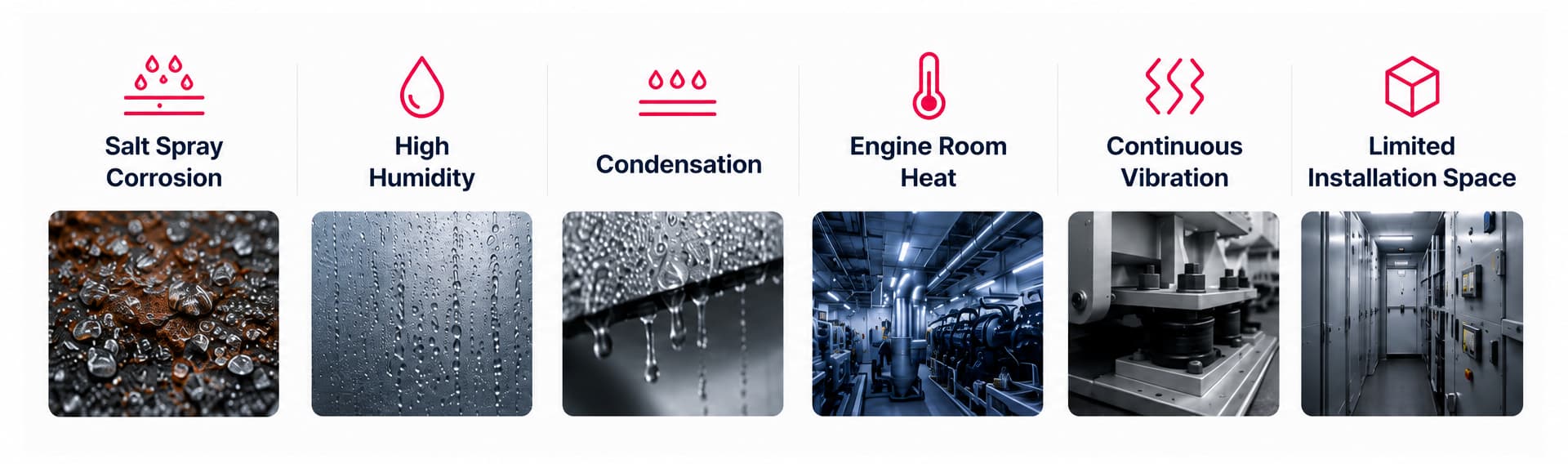
In practice, corrosion often begins around door seals, cable entries, hinges, and fasteners rather than on large enclosure surfaces. Selecting corrosion-resistant materials alone is not sufficient if sealing details are overlooked.
High humidity itself is rarely the direct cause of failure. The greater risk comes from repeated moisture absorption and drying cycles, which gradually reduce insulation performance over time.
Condensation frequently occurs when vessels move between different climate zones or when equipment is shut down and restarted. Preventing moisture formation is generally more effective than dealing with corrosion after it appears.
Excessive heat reduces equipment performance and service life.
Continuous vibration can loosen electrical connections, affect terminal stability, and reduce the long-term reliability of shipboard automation systems
Limited installation space requires compact, efficient, and easy-to-maintain enclosure solutions that can support future upgrades without making wiring and maintenance more difficult.
Therefore, marine control cabinets require not only a high degree of protection but also long-term, stable operation.
Suwi Auto supports marine and offshore automation projects with enclosure selection, cooling configuration, and cable management solutions for engine rooms, pump rooms, and power distribution panels.
Key Requirements for Marine Electrical Enclosures
Marine electrical enclosures must be designed to withstand harsh offshore environments while ensuring reliable operation over the long term. Key requirements include:
High IP Protection – Prevents water, dust, and moisture ingress.(IP56 / IP66 depending on application)
Corrosion Resistance – Withstands salt spray and marine atmospheres.
Efficient Cooling – Maintains optimal operating temperatures in engine rooms.
Flexible Cable Management – Simplifies installation and supports complex wiring.
Easy Maintenance – Reduces downtime with quick access and serviceability.
Long Service Life – Delivers reliable performance under demanding marine conditions.
Solutions such as Rittal industrial enclosures are widely used in demanding marine applications, combining robust enclosure protection with efficient climate control to help ensure long-term equipment reliability.
Complete Marine Enclosure Solutions
Modern ships require more than just rugged enclosures. A complete marine solution integrates enclosure protection, climate control, cable management, and IT infrastructure to ensure reliable operation in harsh offshore environments.
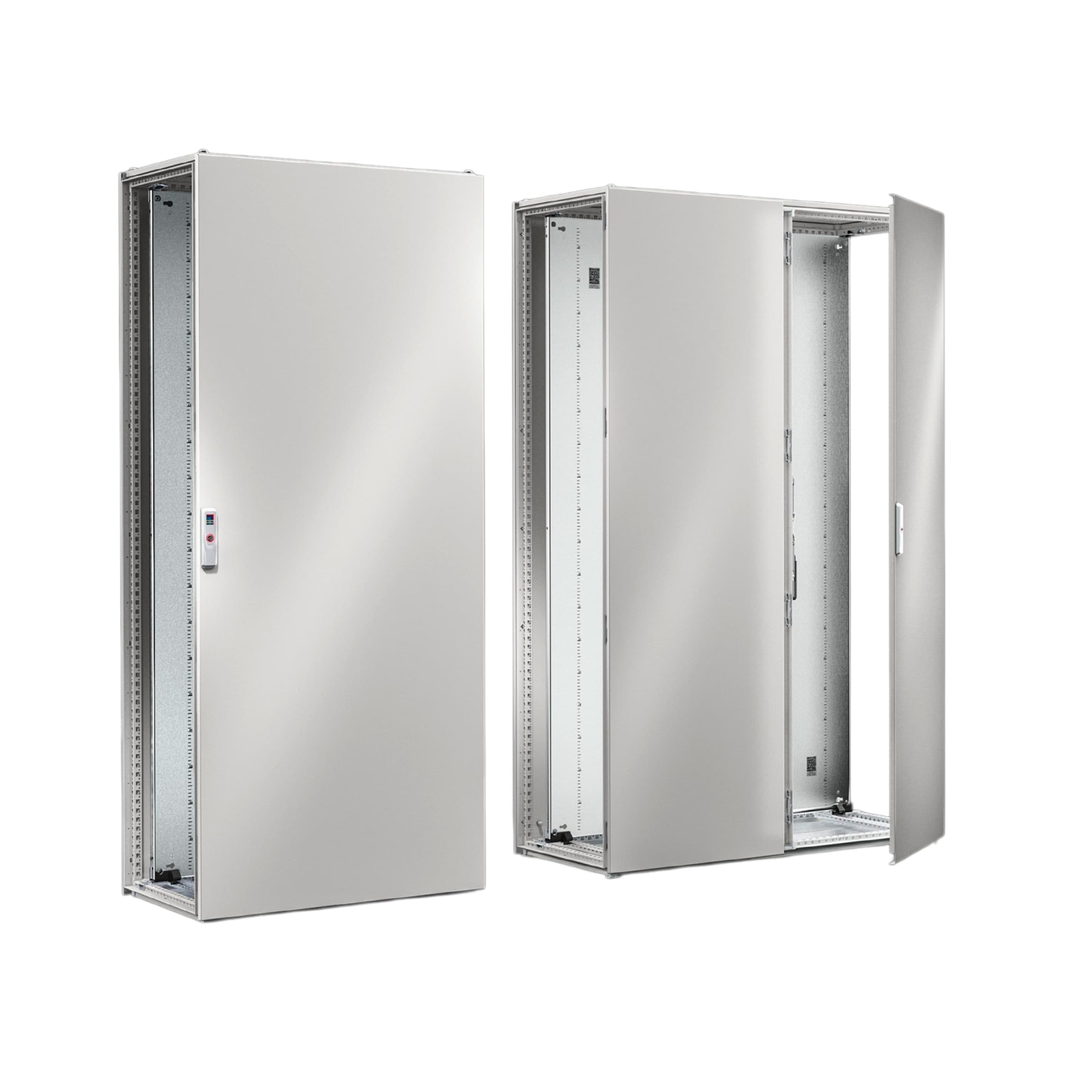
Industrial Enclosures
In many retrofit projects, enclosure replacement is often the starting point because cabinet size, mounting method, and internal layout directly determine whether future cooling, cable routing, and maintenance upgrades can be implemented efficiently.
Typical enclosure solutions include:
Floor-standing enclosures for main switchboards and automation systems
Wall-mounted enclosures for local control stations
Compact junction boxes for field wiring and signal distribution
These enclosures are widely used in:
Engine Rooms
Pump Rooms
Cargo Control Systems
Ballast Water Treatment Systems
Power Distribution Panels
High protection ratings, corrosion-resistant materials, and flexible internal layouts help ensure long-term reliability onboard.
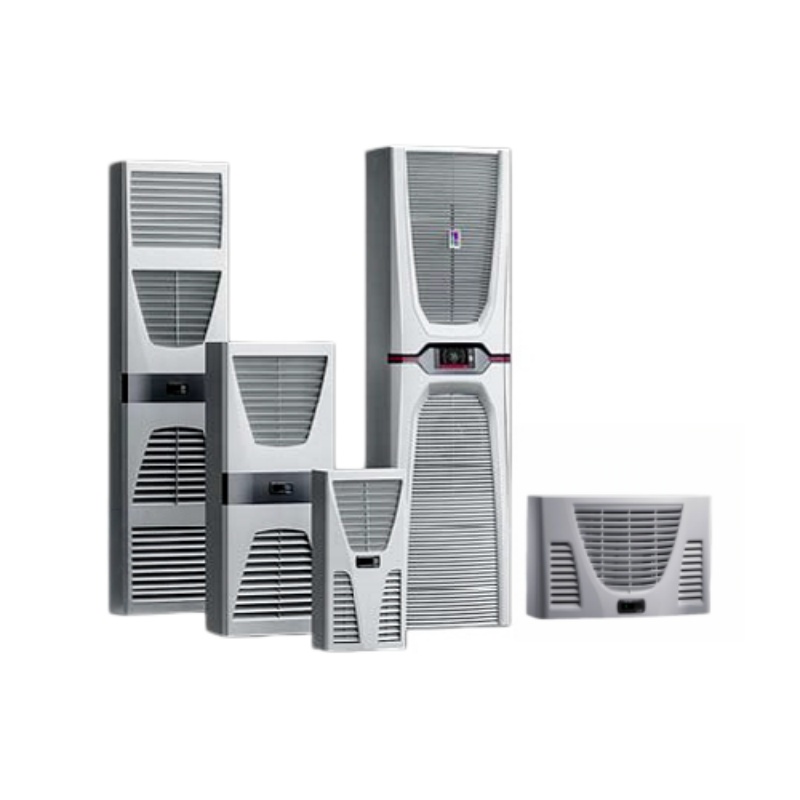
Enclosure Cooling Systems
Cooling capacity should not be selected solely based on enclosure dimensions. The actual heat generated by drives, PLCs, power supplies, and surrounding ambient temperature often has a much greater influence on cooling requirements.
Common cooling solutions include:
Wall-mounted cooling units
Enclosure air conditioners
Air/air heat exchangers
Fan-and-filter units
For demanding marine applications, Rittal Blue e cooling units provide high energy efficiency, reliable temperature control, and robust performance, helping protect sensitive PLCs, drives, and electrical components even in harsh shipboard environments.
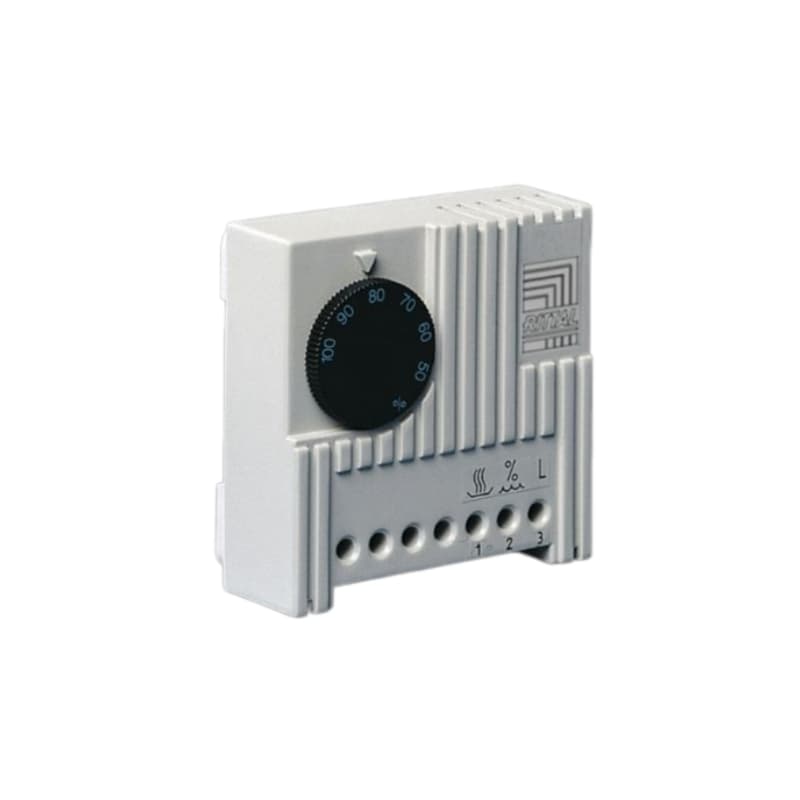
Condensation Prevention
On many vessels, condensation protection is overlooked because electrical cabinets appear dry during commissioning. Problems often emerge months later after repeated seasonal temperature fluctuations.
Typical anti-condensation solutions include:
By maintaining the correct enclosure temperature and humidity, these devices help keep electrical equipment dry and improve long-term operational reliability.
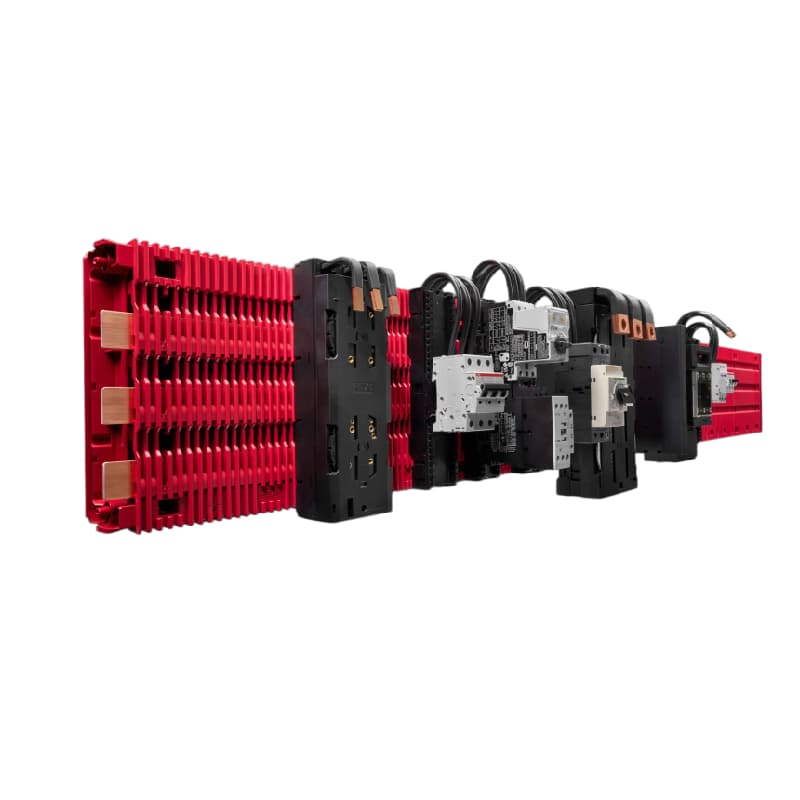
Cable Management
Proper cable separation also improves airflow inside the enclosure, indirectly contributing to better thermal performance and easier fault diagnosis.
Typical solutions include:
Terminal blocks and accessories
Cable entry and sealing solutions
Well-organized cable management also supports future system expansion and reduces maintenance time.
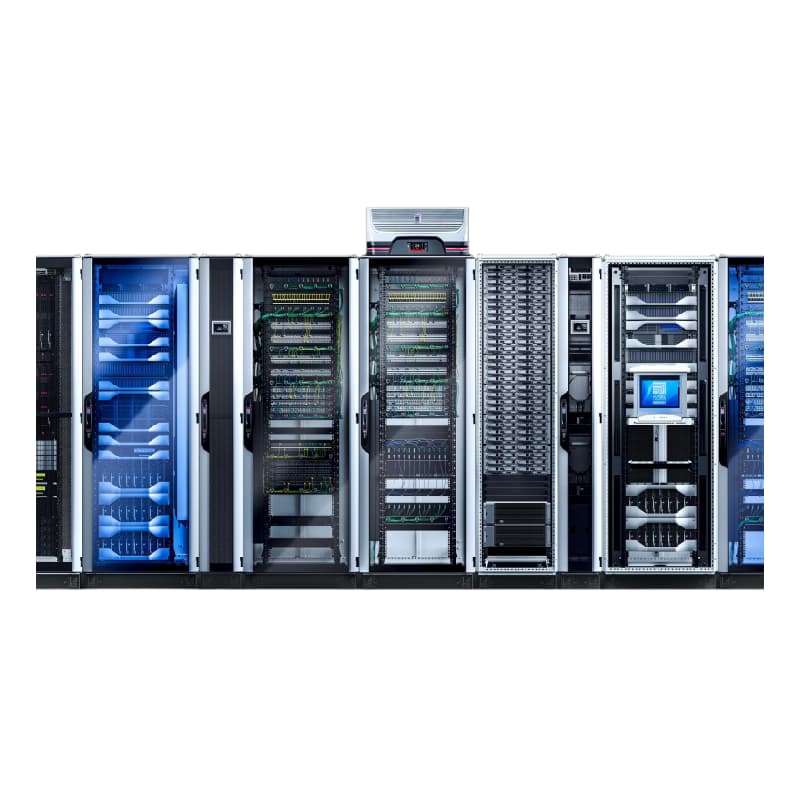
IT Infrastructure for Smart Ships
As more vessels adopt predictive maintenance and remote monitoring, network equipment is becoming increasingly integrated with traditional automation systems. This also places higher requirements on enclosure cooling, EMC protection, and cable organization.
Modern marine IT solutions support:
Industrial Ethernet networking
Remote monitoring and predictive maintenance
Reliable IT enclosures help protect networking equipment while ensuring secure and stable communication throughout the vessel.
Benefits of Using Integrated Marine Enclosure Solutions
As an industrial automation product supplier and brand distributor, Suwi Auto works with customers who need reliable enclosure, climate control, power distribution, HMI, PLC, and industrial networking products for demanding industrial environments.
In marine-related projects, we understand that enclosure selection is not only about choosing a cabinet with a high protection rating. The cabinet must also work together with cooling units, heaters, thermostats, cable entry systems, grounding, and internal layout design. If these parts are selected separately, problems such as overheating, condensation, poor wiring space, and difficult maintenance may appear after the system has been running for some time.
From a supplier’s point of view, our role is to help customers match suitable enclosure and automation products according to the actual application, such as engine rooms, pump rooms, power distribution panels, local control stations, and shipboard monitoring systems. Suwi Auto can support product selection, cabinet configuration, cooling solution matching, cable management, and spare parts supply for shipbuilders, marine system integrators, and maintenance teams.
From an engineering perspective, enclosure reliability is no longer determined by cabinet quality alone. Long-term performance depends on how enclosure selection, cooling, condensation prevention, cable management, and maintenance strategy work together as an integrated system. Treating these elements independently often leads to recurring failures that are difficult to eliminate through component replacement alone.
For shipbuilders, system integrators, and maintenance teams, investing in an integrated enclosure strategy typically delivers greater long-term value than focusing only on individual products.